

Can silicone data cables be used in marine environments?
Sep 08, 2025
Silicone data cables have gained significant popularity in recent years due to their flexibility, durability, and aesthetic appeal. As a leading supplier of silicone data cables, I often receive inquiries about the suitability of these cables for various environments, including marine settings. In this blog post, I will explore the feasibility of using silicone data cables in marine environments, considering factors such as water resistance, corrosion, and durability.
Understanding Silicone Data Cables
Before delving into the suitability of silicone data cables for marine environments, it's essential to understand what these cables are and their key properties. Silicone data cables are made from a synthetic rubber material known as silicone elastomer. This material offers several advantages, including high flexibility, excellent insulation properties, and resistance to extreme temperatures, UV radiation, and chemicals.
Silicone data cables are commonly used in a wide range of applications, including consumer electronics, automotive, aerospace, and industrial settings. They are available in various types, such as USB C Power Cable, Magnetic Data Cable, and 100w Fast Charging Cable, each designed to meet specific power and data transfer requirements.
Challenges of Marine Environments
Marine environments present unique challenges for electronic components and cables. These challenges include exposure to saltwater, high humidity, extreme temperatures, and mechanical stress. Saltwater is highly corrosive and can cause damage to metal components, insulation materials, and connectors over time. High humidity can also lead to the growth of mold and mildew, which can further degrade the performance of cables.
Extreme temperatures in marine environments can range from freezing cold to scorching heat, depending on the location and season. These temperature fluctuations can cause materials to expand and contract, leading to mechanical stress and potential damage to cables. Additionally, marine vessels and equipment are often subject to vibrations and shocks, which can further stress cables and connectors.
Water Resistance of Silicone Data Cables
One of the primary concerns when using data cables in marine environments is water resistance. Silicone is inherently water-resistant, making it an ideal material for cables that may be exposed to moisture. Silicone elastomers have a low surface energy, which means that water droplets tend to bead up and roll off the surface of the cable, rather than being absorbed.
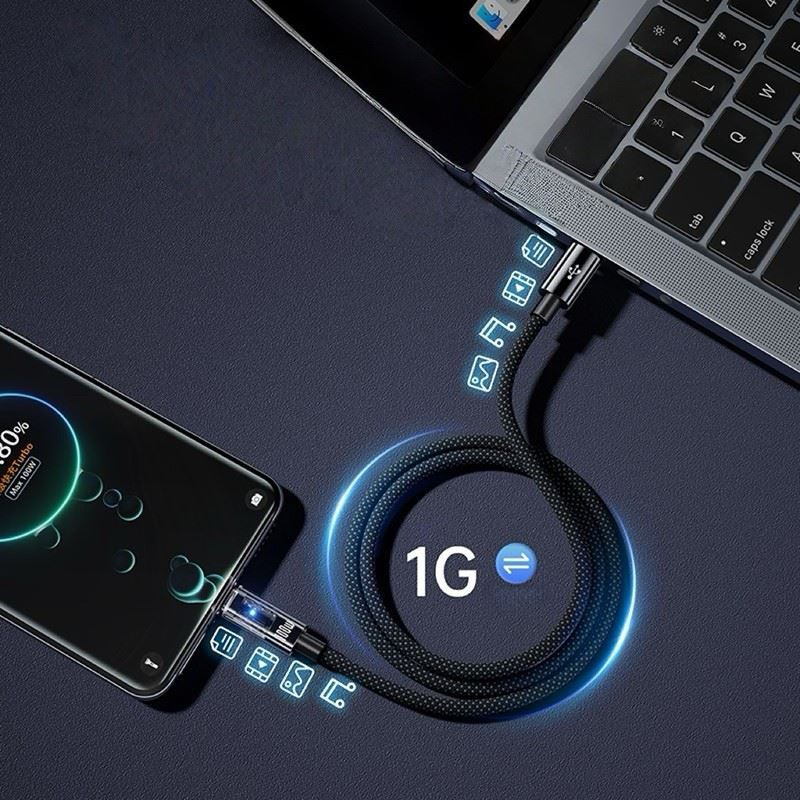

However, it's important to note that not all silicone data cables are created equal when it comes to water resistance. Some cables may have a basic level of water resistance, while others are specifically designed to be waterproof or submersible. When selecting a silicone data cable for a marine application, it's crucial to choose a cable that is rated for the level of water exposure it will encounter.
For example, if the cable will be used in a wet but not submerged environment, such as on a boat deck or in a marine electronics cabinet, a cable with a basic water-resistant rating may be sufficient. However, if the cable will be submerged in water for extended periods, such as in a marine sensor or underwater camera system, a waterproof or submersible cable is necessary.
Corrosion Resistance of Silicone Data Cables
In addition to water resistance, corrosion resistance is another critical factor to consider when using data cables in marine environments. Saltwater contains a high concentration of dissolved salts, which can react with metal components in cables and connectors, causing corrosion. Corrosion can lead to increased resistance, signal loss, and ultimately, failure of the cable.
Silicone data cables are generally more resistant to corrosion than cables made from other materials, such as PVC or rubber. Silicone elastomers do not react with saltwater or other corrosive substances, and they provide a protective barrier around the metal conductors in the cable. However, the connectors and terminals of silicone data cables are typically made from metal, and these components may be susceptible to corrosion.
To enhance the corrosion resistance of silicone data cables, it's important to choose cables with connectors and terminals that are made from corrosion-resistant materials, such as stainless steel or gold-plated copper. Additionally, applying a protective coating or sealant to the connectors can help to prevent saltwater from coming into contact with the metal surfaces.
Durability of Silicone Data Cables
Durability is another key consideration when using data cables in marine environments. Marine vessels and equipment are often subject to rough handling, vibrations, and mechanical stress, which can cause damage to cables over time. Silicone data cables are known for their high flexibility and durability, which makes them well-suited for these types of applications.
Silicone elastomers have excellent mechanical properties, including high tensile strength, tear resistance, and abrasion resistance. These properties allow silicone data cables to withstand repeated bending, twisting, and stretching without breaking or losing their performance. Additionally, silicone cables are less likely to crack or split compared to cables made from other materials, which helps to ensure long-term reliability in marine environments.
However, it's important to note that even the most durable silicone data cables can be damaged if they are not installed and maintained properly. When installing silicone data cables in a marine application, it's important to follow the manufacturer's instructions and use appropriate cable management techniques to prevent the cables from being pinched, crushed, or exposed to sharp edges.
Installation and Maintenance of Silicone Data Cables in Marine Environments
Proper installation and maintenance are essential for ensuring the long-term performance and reliability of silicone data cables in marine environments. When installing a silicone data cable, it's important to use the correct tools and techniques to ensure a secure and watertight connection. This may include using cable glands, seals, and strain relief devices to protect the cable from moisture and mechanical stress.
Regular maintenance of silicone data cables is also important to prevent damage and ensure optimal performance. This may include inspecting the cables for signs of wear, damage, or corrosion, and cleaning the cables and connectors as needed. It's also a good idea to periodically check the cable connections to ensure they are tight and secure.
Conclusion
In conclusion, silicone data cables can be used in marine environments, but it's important to choose the right cable for the specific application and to take appropriate precautions to ensure its long-term performance and reliability. Silicone data cables offer several advantages in marine environments, including water resistance, corrosion resistance, and durability. However, they are not immune to the challenges of the marine environment, and proper installation and maintenance are essential.
If you are considering using silicone data cables in a marine application, I encourage you to contact me to discuss your specific requirements. As a leading supplier of silicone data cables, I have the expertise and experience to help you select the right cable for your needs and to provide you with the support and guidance you need to ensure a successful installation.
References
- "Silicone Elastomers: Properties and Applications" by John W. Sinko
- "Marine Electronics Installation Manual" by BoatUS Foundation for Boating Safety and Clean Water
- "Corrosion Resistance of Materials in Marine Environments" by NACE International